House Cleaning Service in Janesville, WI
Having a clean house is like a vacation in your own home…
House Cleaning You Can Trust
At A & H Natural Cleaning, we proudly provide professional, eco-conscious house cleaning service in Janesville, Wisconsin and the surrounding areas. As a dedicated local team, we help homeowners and businesses enjoy cleaner, healthier spaces—without harsh chemicals or rushed results.
We understand the specific cleaning challenges that come with Wisconsin’s changing seasons. Winter salt, spring pollen, summer humidity, and fall debris all affect your indoor environment—and we tailor our cleaning approach accordingly.
If you’re searching for reliable cleaners, our team is here to deliver consistent, high-quality results.


What We Focus On
All natural cleaning products
We use all natural cleaning products that are safe for you and your house hold.
- Better Life
- Clean Revolution
- 9 Elements
Peace of mind guarantee
Our guarantee is that you will feel peace of mind after our cleaning or we will come back and clean your house again free of charge.
Fully customized to your needs
We allow you to fully customize what you would like cleaned inside your house. Windows? Cabinets? The inside of the dog bowl? You got it!
Reliable Team
We have two reliable team members on each job to ensure quality and efficiency for the time we occupy your house.
Our Services
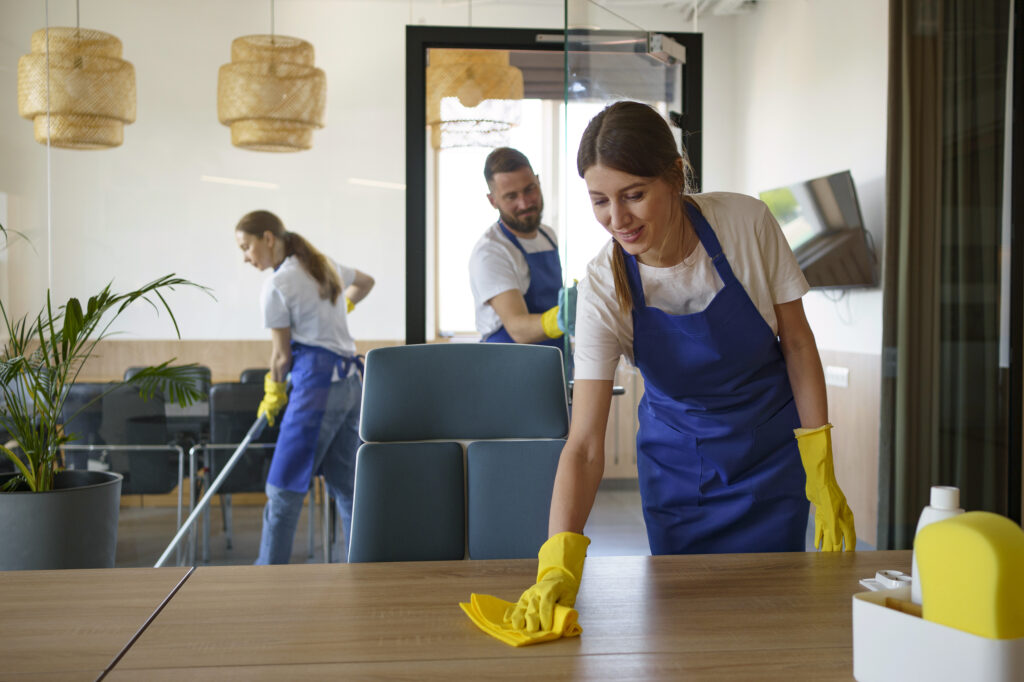
Cleaners
Our two-person team cleans your home using all-natural products from brands like Better Life and Clean Revolution. Every job is fully customized to your needs — from cabinets to baseboards to the inside of the dog bowl.
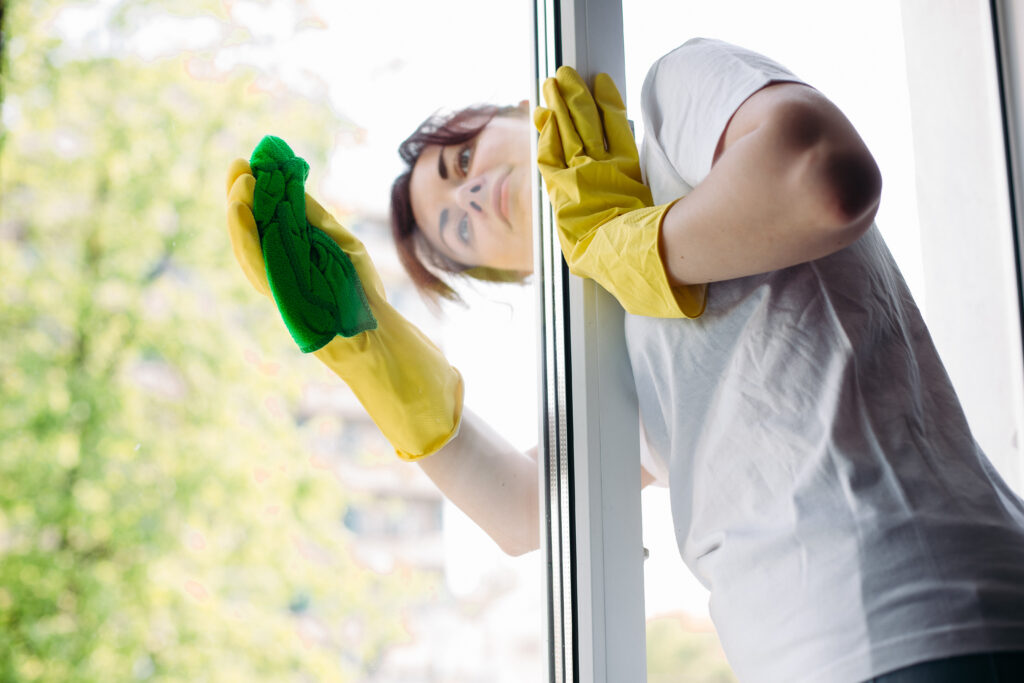
Window Cleaning Service
We clean interior windows throughout your home using only plant-based, non-toxic products. Tell us which windows need attention and we'll handle the rest.
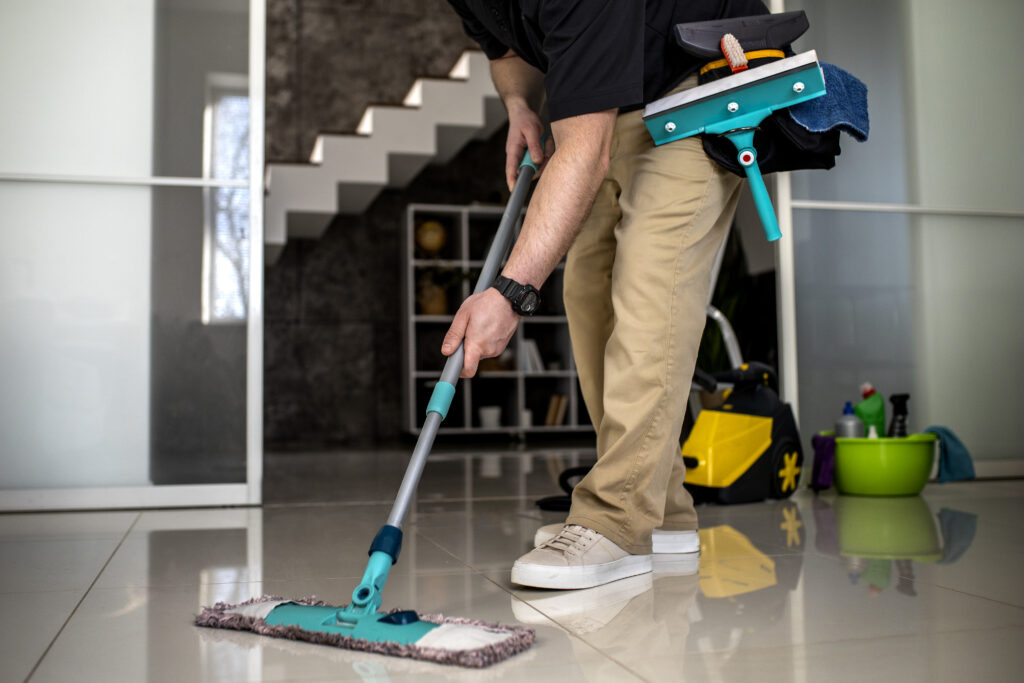
Recurring Cleaning Service
Set a regular cleaning schedule that fits your household. Our team shows up on time with all-natural products, so your home stays fresh without you having to think about it.
Frequently Asked Questions
The golden rule of cleaning is to clean regularly and promptly—deal with messes as soon as they happen. This prevents dirt from building up, makes cleaning easier, and keeps your home healthier and more comfortable. Learn More Here.
The 7 stages of cleaning are a structured process used in both home and commercial cleaning: preparation, removal of debris, main cleaning, rinsing, disinfection, drying, inspection, and storage. Following these steps ensures thorough hygiene and efficiency. Learn More Here.
Start with decluttering (put items back in place), then dust surfaces from top to bottom, followed by vacuuming or sweeping floors. Next, wipe and disinfect surfaces in kitchens and bathrooms, and finish with mopping floors. Working in this order prevents dust and dirt from resettling on freshly cleaned areas. Learn More Here.
The 80/20 rule (also known as the Pareto Principle) in house cleaning means that 20% of your cleaning tasks deliver 80% of the visible results. Instead of trying to clean everything perfectly, you focus on the high-impact areas—like kitchens, bathrooms, and living spaces—so your home looks and feels clean with less effort. Learn More Here.
The kitchen usually takes the longest to clean because it involves multiple tasks—scrubbing counters, washing dishes, cleaning appliances, and tackling grease or food spills. Bathrooms can also be time-consuming due to detailed sanitizing and hard-to-reach areas. Learn More Here.
The three types of cleaning every home needs are maintenance, immediate, and deep cleaning. Maintenance cleaning is scheduled regularly to keep a tidy home in good condition. Immediate cleaning is reactive, tackling sudden messes like spills, illness, or last-minute guests. Deep cleaning is more intensive, targeting neglected areas such as grout, ovens, and baseboards, and is essential if a home hasn’t had professional care in months. Learn More Here.
The 3:30 rule means cleaning for 3 minutes in one area, then pausing for 30 seconds. It breaks chores into short bursts, making them easier to manage and less overwhelming. Learn More Here.
House cleaners typically avoid hazardous tasks like mold removal, biohazard cleanup, or handling pet waste. They also don’t usually clean exterior areas such as gutters, roofs, or outdoor windows unless specified in a specialized service. Learn More Here.
The Daily 6 Cleaning List is a quick routine of six tasks—make the beds, wash dishes, wipe counters, tidy the bathroom, handle laundry, and declutter common areas—that keeps your home neat and manageable without the need for constant deep cleaning. Learn More Here.
A deep clean usually goes beyond regular tidying. It often includes scrubbing bathrooms and kitchens (tiles, grout, sinks, appliances), dusting and wiping all surfaces (baseboards, ceiling fans, light fixtures), vacuuming and mopping floors, washing windows and blinds, and cleaning hidden or neglected areas like under furniture, inside cabinets, and behind appliances. Learn More Here.
In the U.S., a standard house cleaning typically costs between $118 and $237 per visit, with the national average around $175. Prices vary depending on home size, location, and whether you request a standard clean or a deeper service. Learn More Here.
The 50% rule is a simple guideline: aim to reduce the items in a space by half. By removing about 50% of what you own in a room, closet, or drawer, you create breathing space, make essentials easier to find, and prevent clutter from creeping back. Learn More Here.
The time depends on the size and condition of the home. On average, a standard cleaning for a typical 2–3 bedroom house takes 2 to 4 hours. Larger homes or deep cleans may take longer, while smaller spaces or regular maintenance cleans can be finished more quickly. Learn More Here.
Some of the most common house cleaning mistakes include using the wrong products, cleaning in the wrong order, reusing dirty cloths, and neglecting high-touch areas. These errors can spread germs, damage surfaces, or make cleaning less effective. Learn More Here.
The hardest things to clean in a house are blinds, tile grout, ovens, and areas under appliances or furniture. These spots trap dust, grease, or grime, require awkward positioning, and often need specialized tools or techniques to clean effectively. Learn More Here.
Tidy up personal items, secure valuables, and clear surfaces so the cleaner can focus on deep cleaning. Make sure pets are safe, provide access instructions if needed, and communicate any special requests in advance. Learn More Here.
What is the 20 minute rule of cleaning?Dust, dirt, and allergens will build up, making the home less healthy and harder to clean later. Surfaces may become sticky or stained, odors can develop, and clutter tends to accumulate more quickly. Regular cleaning prevents these issues and keeps maintenance manageable. Learn More Here.
The 20‑minute rule is a simple habit‑building approach: commit to cleaning for just 20 minutes at a time. Instead of tackling an entire house in one exhausting session, you set a timer and focus on one task or area. This keeps cleaning manageable, prevents burnout, and often leads to more progress because once you start, you may choose to keep going. It’s especially useful for busy households or anyone who feels overwhelmed by clutter — short, consistent bursts add up to a cleaner home. Learn More Here.
For many U.S. households, hiring a cleaner is worth it if you value time savings, professional results, and reduced stress. Cleaners bring expertise, equipment, and consistency that’s hard to match with DIY cleaning. It’s especially beneficial for busy families, professionals, or anyone with mobility challenges. While the cost varies by home size and frequency, many find the investment pays off in improved quality of life and a healthier living environment. If budget is tight, even occasional deep cleans can make a noticeable difference. Learn More Here.
The ABCD of Housekeeping is a four-part framework—Always, Better, Control, Discipline—designed to keep homes consistently clean and healthy by turning cleaning into daily habits rather than occasional chores. Learn More Here.